
For machinery fleets
Machinery hire software built around asset economics
High-value machines, long hires and very little patience for downtime. Track what each machine earns, what it costs to keep running and how often it is genuinely out.
Free for 7 days. No card required.
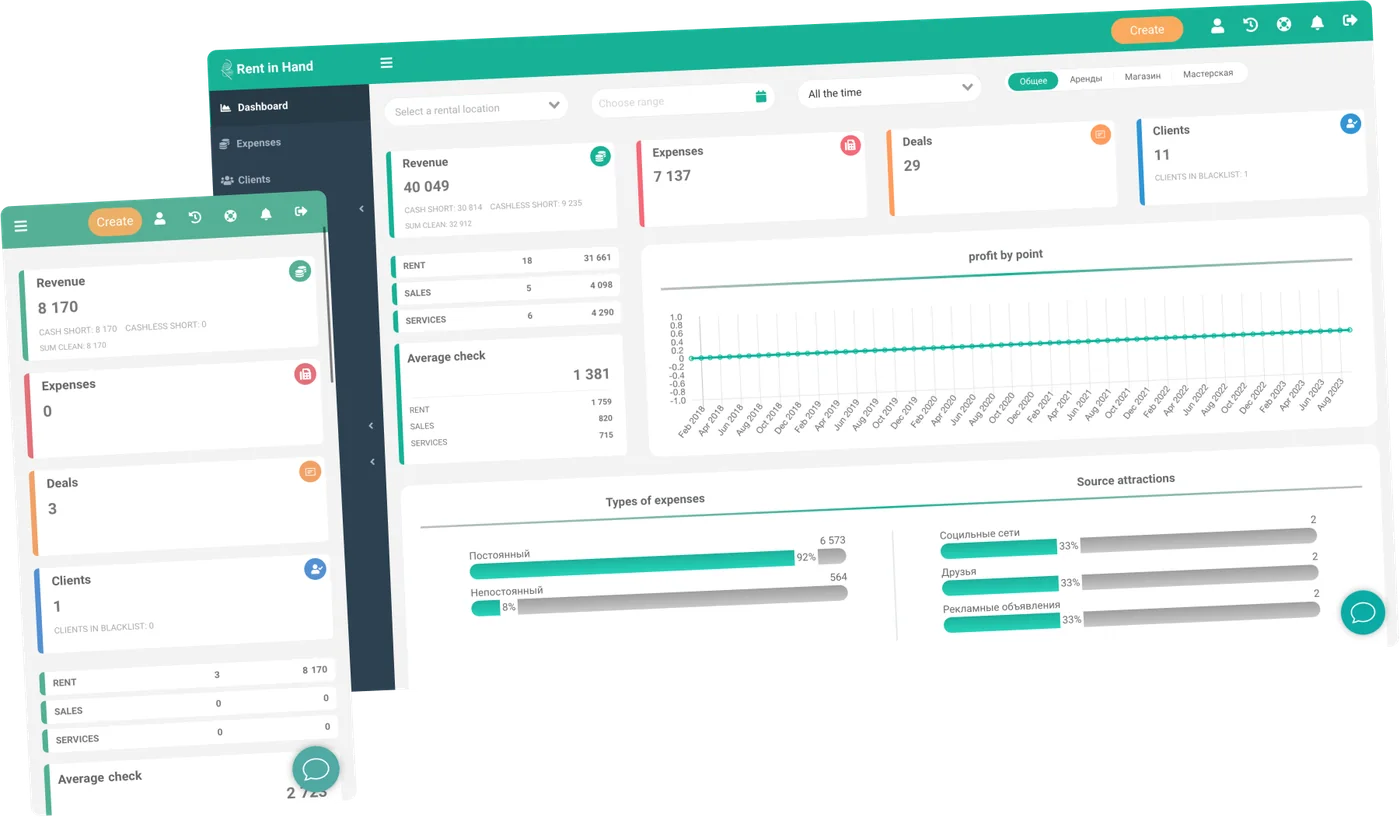
Every machine as a small business
A machine that earns well and costs a fortune to keep running is a different proposition to one that earns less and never breaks. A booking spreadsheet cannot tell them apart.
-
Revenue per machine
Days on hire, revenue and the rate it actually went out at, held against the individual unit rather than the model.
-
Repair spend beside it
Parts, labour and downtime from the workshop sit next to earnings, so replace-or-repair becomes a decision rather than an argument.
-
Service intervals
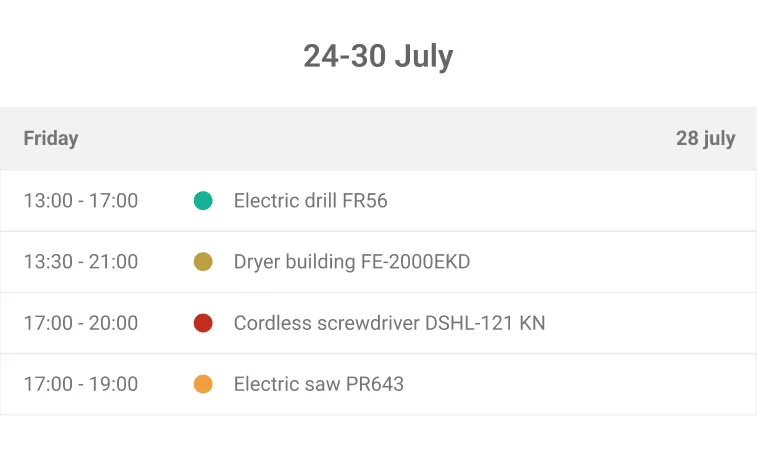
Schedule servicing by hours used or by date. The machine leaves availability while it is in and returns automatically when the job is closed.
-
Long hires and renewals
Hires that run for months, with agreed rates, logged extensions and a real off-hire date at the end of it.
-
Contracts and deposits at value
Your own agreement, filled from the booking and signed, with the deposit tracked from taken to returned.
-
Handover evidence
Condition photos and notes captured on the phone at despatch and at return, stored against the contract.
Utilisation
The fleet you own versus the fleet that works
Most machinery fleets have a tail: units bought for one contract that never went out again. Utilisation per unit and per category makes that tail visible instead of averaging it away, which is usually what builds the case for selling it.
- Days on hire per unit and per category
- Revenue set against purchase price
- Idle units surfaced, not hidden in an average
- Comparison across depots
Downtime
Downtime is the quiet cost
A machine waiting on a part is not earning, and nobody is watching the clock on it. Workshop jobs record how long a unit was out of service and what the fix cost, which turns a vague grumble into a number you can act on.
- Job cards with parts, labour and dates
- Time out of service per machine
- Damage linked to the hire it came from
- Availability updated without anyone remembering to
Frequently asked questions
Is stock tracked per machine or per model?
Per machine, by default. Each unit carries its own hire, damage and repair history, which is the only way utilisation and cost figures mean anything on high-value kit.
Can hires run for several months?
Yes. A hire can run to an agreed end date or stay open until the machine comes back, and extensions are recorded as they are agreed.
How does it fit with our accounts system?
There is a REST API for items, hires, customers and payments, so the figures can be pulled into whatever you use for invoicing and ledgers. Rent in Hand is not trying to be your accounts package.
We run several depots. Does stock move between them?
Yes. Each depot has its own stock, staff and till, and a machine transferred between them keeps its history. Business covers three depots and Pro is unlimited.
Does the workshop side handle third-party machines?
Yes. Repair jobs do not have to be attached to your own fleet, so you can take in outside work and record parts and labour the same way.
Find out what your fleet really earns
Seven days, full access, no card. Load your machines, log a month of hires and repairs, and read the per-unit numbers.
Free for 7 days. No card required.