
For plant fleets
Rental software for heavy equipment
Machines worth six figures deserve better than a spreadsheet and a group chat. Every unit gets one record: hires, services, damage and what it has actually earned.
Free for 7 days. No card required.
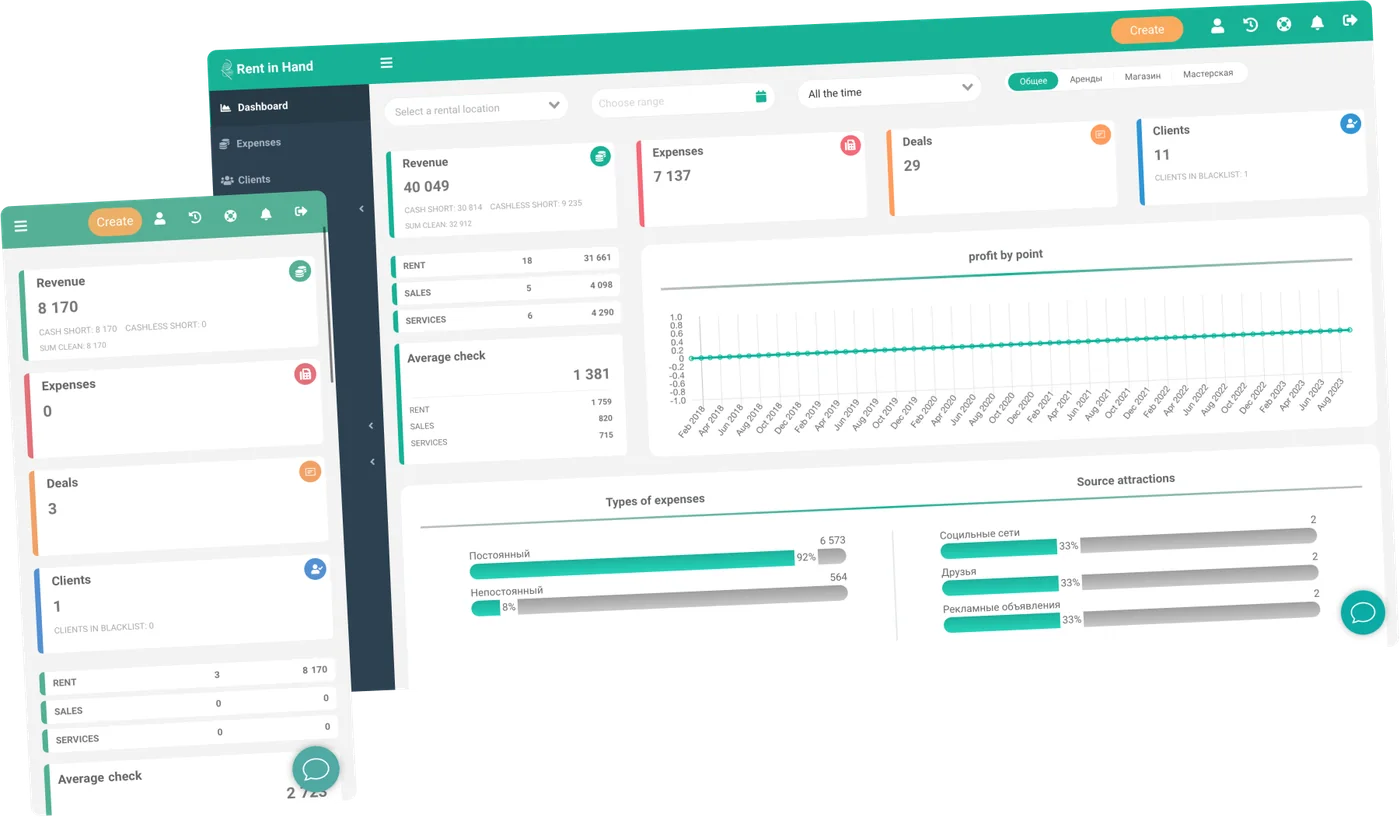
One record per machine, for its whole life
From the day it lands on the yard to the day you sell it, in one place instead of four.
-
Unit-level records
Serial number, purchase price, hire history, repair history and revenue to date, all on the machine itself. When you come to sell it, that record is the sales document.
-
Service and repair jobs
Raise a job, log the parts, close it when the machine is back on the yard. The days lost are counted rather than guessed at.
-
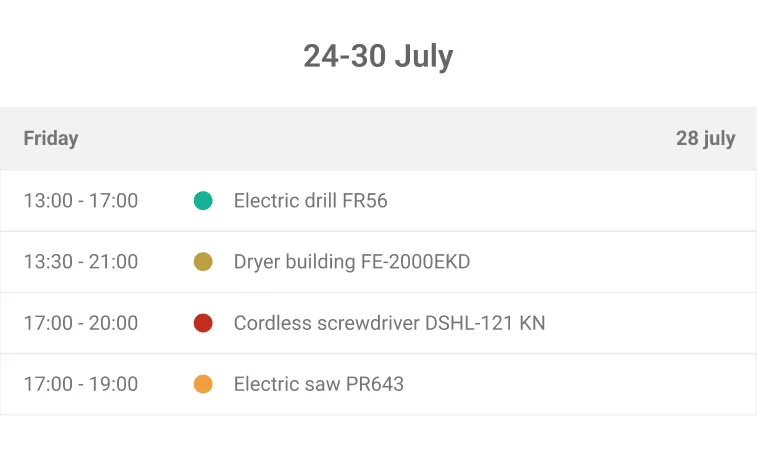
Downtime blocks bookings
A machine in the workshop cannot be promised to a customer. Availability updates the moment the job is opened.
-
Long hires without re-keying
Extend a hire in place instead of closing and reopening it. A three-day job that turns into three months stays one record with one running balance.
-
Contracts on your template
Your own terms and liability wording, filled from the booking, signed on screen or printed for the site office.
-
Cost against revenue
Repair spend and revenue sit against the same asset. So the question of whether a machine is still worth keeping has an answer.
Maintenance
Service history that outlives the mechanic
In most yards the service record lives in a folder, a phone gallery and one person's head. Kept against the unit, it survives staff turnover, insurance claims and resale. Every job carries the parts fitted, the cost and the days off hire.
- Repair jobs and parts per machine
- Days out of service counted, not estimated
- Maintenance downtime removed from availability
- Complete history when it is time to sell
Transport
The handover happens on site, so the paperwork should too
Heavy kit rarely changes hands at your counter. It goes out on a low-loader and gets signed for in a field, often before you have opened. The mobile app does the whole handover there: scan the unit, photograph how it left, capture the signature, take the payment.
- Condition photos before it comes off the trailer
- Signature captured on the driver's phone
- Deposit or balance collected on site
- On the dashboard before the lorry is back
Frequently asked questions
Do you read engine hours from telematics?
No. There is no telematics feed, and we would rather say so than pretend. What the system does keep against each unit is the hire history, the repair jobs, the parts and the damage, and the REST API lets you join that with whatever telematics you already pay for.
How are deposits handled on high-value machines?
The deposit is held against the rental and shows on the customer record until it is settled. On return you release it or deduct for damage, and the deduction is recorded on both the rental and the machine's history.
Does everyone need to see the money?
No. Roles decide who can discount, who can refund and who sees revenue. A fitter can close a repair job without seeing what that machine earned last month.
We run several depots.
Each depot keeps its own stock, staff and till, and machines can move between them. The dashboard shows the fleet as a whole or one depot at a time.
What does it cost?
Start is $8 per month on annual billing, Business is $20 and Pro is $35. The trial runs seven days with everything switched on and no card.
Put the fleet on one screen
Seven days, full access, no card. Load ten machines and see hires, repairs and revenue in the same place.
Free for 7 days. No card required.